

In an international marketplace where companies count on domestic and international transport, working out obtain an accurate freight rate shipment quote is crucial. Whether shipping recycleables, machinery, or consumer products, the price of transportation can significantly impact returns, timelines, and competitiveness. A well-calculated shipment quote provides visibility, minimizes surprises, and ensures smooth logistics planning.
This article explains that of a LTL and FTL Freight Quote is, how freight rates are calculated, and also the best methods to secure the most competitive price.
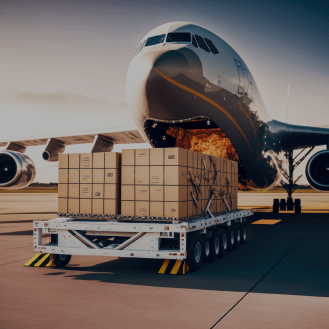
What Is a Freight Rate Shipment Quote?
A freight rate shipment quote is a price estimate furnished by a logistics provider—such being a freight forwarder, carrier, or shipping company—that outlines the expense of transporting goods in one location to another. It includes charges linked to transport, handling, customs (if international), fuel, and other accessorial fees.
Businesses count on freight quotes to:
Budget logistics expenses
Compare shipping providers
Plan supply chain operations
Avoid unexpected surcharges
Key Factors That Influence Freight Rate Quotes
The price of a shipping quote isn’t random—it's according to multiple variables. The primary components include:
1. Shipment Weight and Dimensions
Heavier and bulkier cargo takes more space and fuel. Carriers calculate:
Actual weight
Volumetric/Dimensional weight
The higher value is usually billed.
2. Shipping Distance and Route
Longer routes naturally cost more. Rates can vary determined by:
Domestic vs. international transport
Direct vs. indirect route
Trade lane traffic and demand
3. Mode of Transportation
Each mode has unique pricing structures:
Mode Typical Speed Cost Level
Sea Freight Slow Lowest
Road Freight Medium Moderate
Rail Freight Medium Moderate
Air Freight Fast Highest
4. Freight Class / Cargo Type
Cargo requiring special handling—hazardous goods, perishable products, oversized machinery—may incur additional charges.
5. Fuel and Seasonal Surcharges
Rates fluctuate determined by:
Global fuel prices
Port congestion
Holiday and seasonal peak demand
Types of Freight Shipment Quotes
Understanding the type of quote helps avoid misunderstandings:
Quote Type What It Means
Spot Quote One-time price for a single shipment
Contract Quote Agreement for regular shipments on the fixed term
All-Inclusive Quote Covers all charges—no hidden fees
Base Rate + Accessorials Separate pricing for optional services
Door-to-Door Quote Complete pickup and delivery service
Port-to-Port Quote Customer arranges land transport
How to Request a Freight Rate Shipment Quote
To have an accurate quote, shippers should provide:
Pickup and delivery addresses
Cargo dimensions (length, width, height)
Cargo weight
Type of goods
Preferred shipping mode (air/sea/road/rail)
Incoterms for international shipments
Special handling requirements (if applicable)
The more detail provided, greater accurate the quote.
Tips to Get the Best Freight Rate
Businesses can save substantially by using strategic practices:
✔ Plan ahead – urgent shipping always costs more
✔ Consolidate shipments when possible to raise container efficiency
✔ Compare multiple brokers and carriers before booking
✔ Be flexible on transit times—slower services are cheaper
✔ Optimize packaging to reduce dimensional weight
✔ Negotiate long-term contracts if shipping volumes are consistent
Why Accurate Shipment Quotes Matter for Business
Accurate freight quotes deliver benefits beyond just savings:
Improved supply chain forecasting
Reduced probability of delays due to cost disputes
Better customer service through predictable delivery
Stronger vendor partnerships
In a competitive global market, the companies that understand and optimize their freight rates gain an immediate advantage.
A freight rate shipment quote is more than just a price—it's a power tool for managing logistics with precision. By discovering how rates are calculated and applying recommendations when requesting quotes, businesses is effective in reducing shipping expenses, stabilize supply chains, and improve overall operational efficiency.